
The Art of Weaving and Knitting
First of all, Weaving and knitting are two ancient crafts that have affected nations, industries, and fashion throughout history, contributing to the rich tapestry of textile arts. Knitting, which is the process of interlocking yarn loops, and weaving, which is the age-old craft of weaving yarns together to make cloth, both have special qualities and uses. These techniques, which range from the snug comfort of knitted sweaters to the exquisite designs of woven tapestries, are examples of the inventiveness and originality of human workmanship. This article takes the reader on a tour through the worlds of knitting and weaving, revealing their histories, methods, and modern uses.
Origins and Historical Significance:
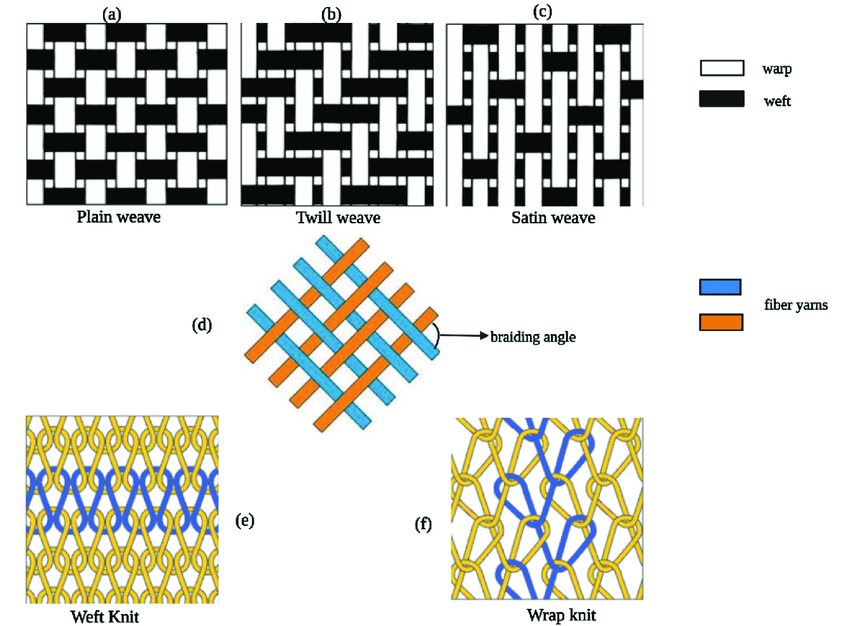
Weaving dates back thousands of years to the time when primitive looms and weaving techniques were used in Mesopotamia, Egypt, and China to produce textiles for trade, clothing, and housing. Weaving was transformed by the development of the horizontal and then vertical looms, which made it possible to produce cloths that were more intricate and large-scale. Despite being thought to have developed later than weaving, knitting has its origins in the age-old customs of making clothing by hand with basic knitting needles or equipment. Both knitting and weaving became indispensable textile crafts over time, with each culture creating its own unique designs, patterns, and techniques.
Weaving techniques:
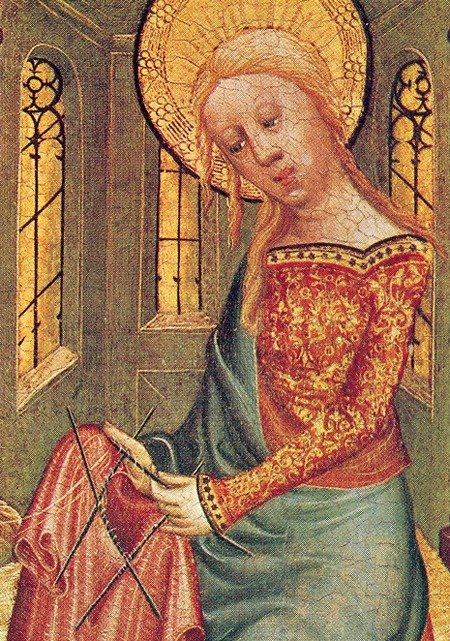
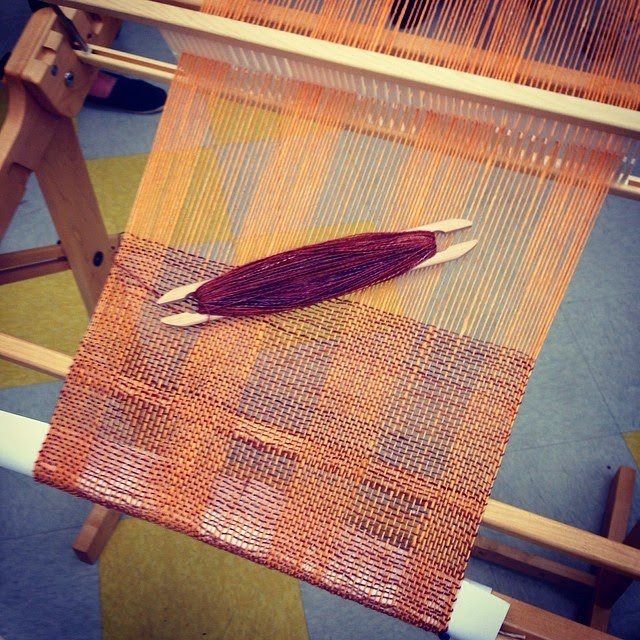
To make a fabric structure, two sets of strands, the warp and the weft, are interlaced. On the loom, the weft threads are entered widthwise and pass over and under the warp yarns in a prearranged pattern, while the warp yarns are stretched lengthwise. The three types of traditional weaving techniques—plain, twill, and satin—produce fabrics with varying qualities, including drape, strength, and surface roughness. With the introduction of automated looms that can create complex fabric structures and sophisticated pattern designs, modern weaving technology has expanded the potential uses of woven textiles in fashion, home décor, and industrial settings.
Knitting Techniques:
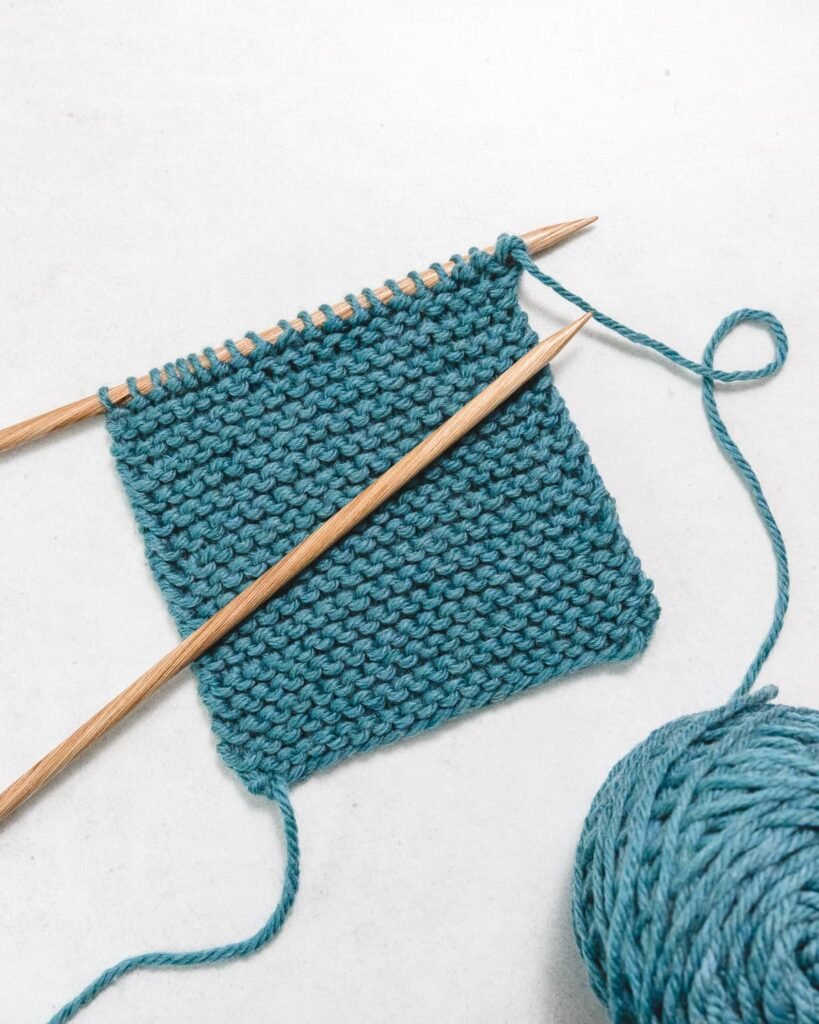
Knitting, as opposed to weaving, is the process of creating fabric by utilizing knitting needles or machines to interlock yarn loops. The knit stitch, which is the fundamental knitting stitch, produces a fabric that is elastic and stretchy by creating a sequence of interlocking loops. More stitches that can be used to create different textures, patterns, and designs include the cable, rib, and purl stitches. Knitting can be done by machine with computerized knitting machines, which allow faster and more accurate fabric production, or by hand with conventional knitting needles. Knit textiles are a popular choice for sweaters, stockings, scarves, and other clothing items because of their warmth, comfort, and versatility.
Modern Applications and Innovations:
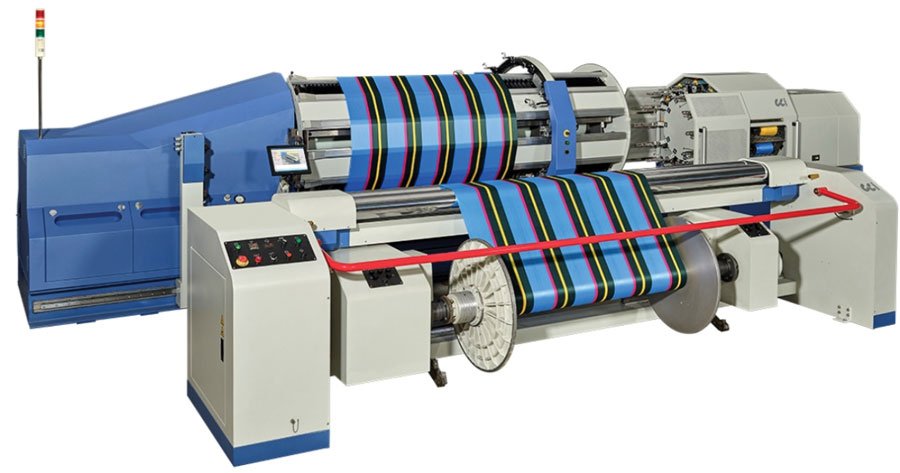
Weaving and knitting are two of the most dynamic and adaptable textile arts available today. Advances in digital technology, robotics, and materials science have created new avenues for artistic expression and practical uses. Robust weaving methods, such dobby and jacquard weaving, enable the accurate and efficient creation of complex patterns and designs. In a same vein, sophisticated knit materials with adaptable textures and qualities can be designed by designers thanks to computerized knitting machines. The manufacture of woven and knitted textiles is also made more environmentally and socially responsible by developments in sustainable fibers, dyeing methods, and finishing procedures.
Conclusion:
Despite their varied techniques and rich histories, knitting and weaving continue to be essential components of human society. These age-old methods continue to inspire artists, designers, and innovators worldwide, from the ancient Mesopotamian looms to the cutting-edge knitting machines of the twenty-first century. Weaving and knitting represent the ageless combination of tradition and innovation, creativity and craftsmanship, whether they are used to create heirloom tapestries, warm sweaters, or state-of-the-art technology textiles. The brilliance and beauty of weaving and knitting serve as a constant reminder of our common ancestry and the continuing force of human creation as we traverse the difficulties of today’s world.
Keywords: Weaving, knitting, textile techniques, fabric creation, history, innovations, traditional crafts, contemporary applications.